Skip to content


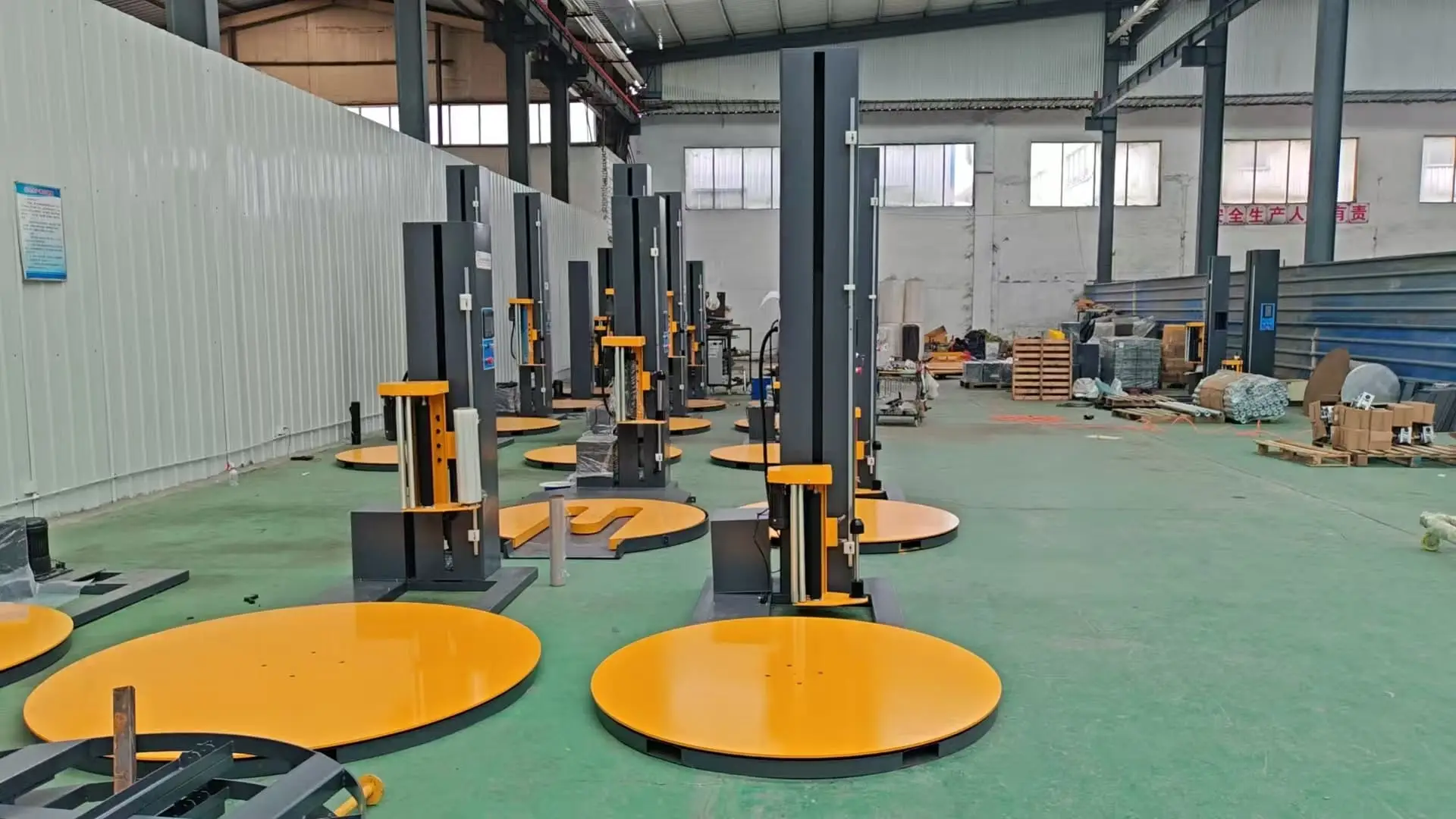
When warehouse managers evaluate a new pallet wrapping machine, the first question is usually about the price tag. But in material handling, the purchase price is just the tip of the iceberg. The real drain on your operating budget often hides in the daily inefficiencies of manual wrapping or outdated equipment.
If you are still relying heavily on hand-wrapping or struggling with an aging semi-automatic wrapper, you might be bleeding money without realizing it. Here are the hidden costs of poor pallet stabilization and how upgrading your stretch wrap system pays for itself.
1. Film Waste: The Silent Budget Killer
Stretch film is one of those consumables that quietly eats into your profit margins. When operators manually wrap pallets, they tend to over-apply film out of habit or fear of load failure. A human wrapper might use 30% to 50% more film than necessary compared to a modern automatic machine equipped with pre-stretch technology.
A high-quality rotary arm or inline wrapper can consistently apply a precise, optimized film gauge. Over a year, reducing film consumption by just 15% across hundreds of daily wraps translates to thousands of dollars in direct savings.
2. Transit Damage and Customer Chargebacks
Nothing hurts your brand reputation faster than a collapsed load arriving at a distributor’s dock. Poor tension control during wrapping leads to shifting loads, crushed corners, and broken goods.
The cost isn’t just the damaged product; it includes return freight, administrative time to process claims, and potential chargebacks from major retailers. An automated wrapper applies consistent, programmable tension from bottom to top, ensuring the load unitizes properly and survives the rigors of LTL or FTL shipping.
3. Labor Allocation and Safety Risks
Hand-wrapping is repetitive, physically demanding work. Beyond the obvious ergonomic risks of twisting and bending—which can lead to workers’ compensation claims—it also ties up valuable labor hours.
How many productive hours per week does your team spend walking around pallets? By automating this process, you free up staff to focus on higher-value tasks like picking, packing, or quality control. Plus, keeping personnel away from moving forklifts and heavy loads significantly improves overall warehouse safety.
4. Inconsistent Throughput During Peak Seasons
Manual wrapping speed varies wildly depending on the operator’s fatigue level. During peak season or shift changes, bottlenecks at the end-of-line wrapping station can back up your entire production or fulfillment line.
An automatic pallet wrapper doesn’t get tired. It provides a predictable, steady cycle time that allows you to accurately forecast throughput and maintain a smooth workflow, regardless of how busy the warehouse gets.
Time to Upgrade Your End-of-Line Packaging?
Stop looking at pallet wrappers as just another piece of equipment. Treat them as a strategic investment in load integrity and operational efficiency.
Whether you need a compact turntable for low-volume applications, a robust rotary arm for heavy/unstable loads, or a fully integrated inline system, choosing the right machine comes down to understanding your specific pain points. Let’s talk about your current wrapping challenges and find a solution that actually improves your bottom line.